Pediatric Eye Exams in
Picayune & Pearl River
Many childhood vision problems develop quietly and can be easily missed without a comprehensive eye exam. Since children often assume their vision is normal, concerns may go unnoticed even after a school screening. In fact, school vision screenings miss up to 75% of vision problems in children.¹
At Advanced Eyecare, we provide trusted family eye care and pediatric eye exams in Picayune and Pearl River for children of all ages. These exams help ensure your child’s eyes are developing properly and allow us to identify concerns as early as possible.
What to expect during your child’s eye exam
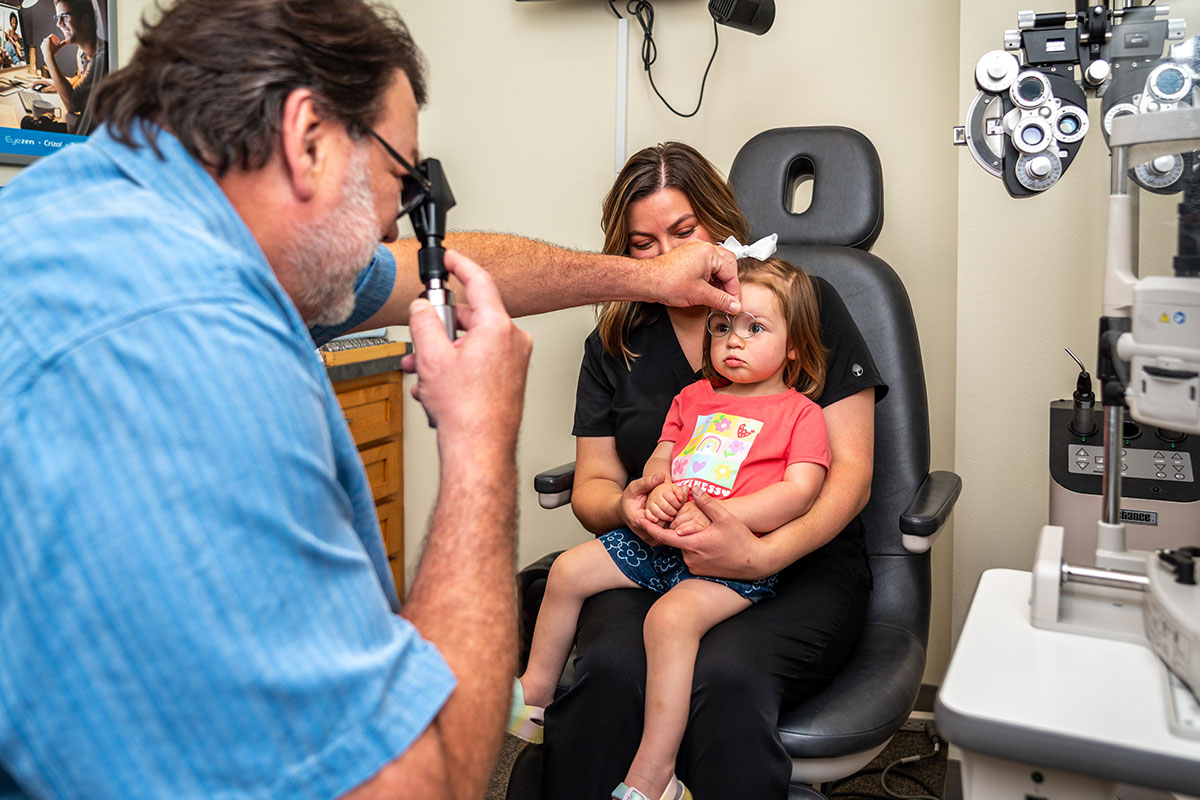
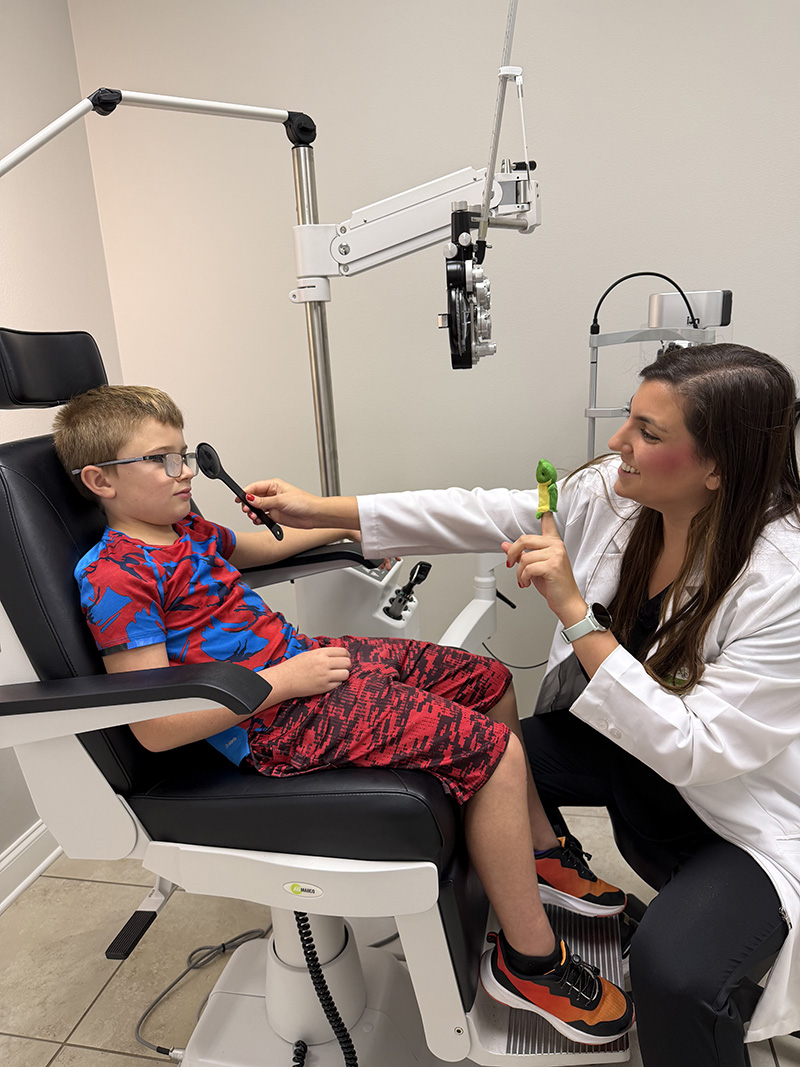
During kids’ eye exams, our pediatric eye doctors in Picayune and Pearl River ensure children feel comfortable during the visit. We take time to explain testing in a way kids can understand and work patiently to create a calm, positive experience for both children and parents.
These exams evaluate much more than whether your child can see clearly at a distance. Depending on your child’s age and needs, testing may include:
- Near and distance vision testing
- Eye teaming and coordination evaluation
- Eye movement and tracking assessments
- Depth perception testing
- Screening for eye health concerns and developmental vision problems
- A refraction to determine whether glasses or contact lenses are needed
- Monitoring for progressive nearsightedness and evaluating whether myopia management may be beneficial
If your child needs glasses or contact lenses, we’ll help you find options that fit comfortably and work well for their everyday routine.
Eye exams for infants & toddlers
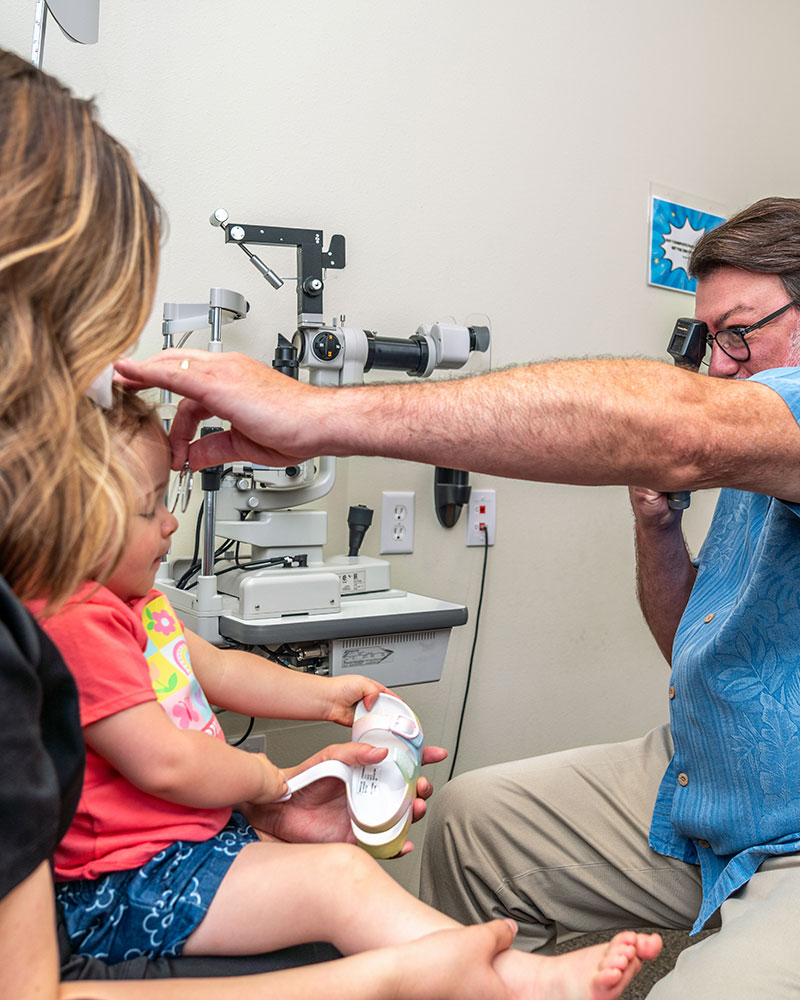
For infants and young children who are too young for standard vision testing, our eye doctors use retinoscopy to evaluate how the eyes focus. By observing how light reflects off the retina, we can accurately measure refractive error without requiring verbal responses.
How often should kids have an eye exam?
Children’s eyes can change rapidly, especially during the school years. Regular eye exams help monitor those changes and ensure vision is supporting healthy development.
We generally recommend:
- A first eye exam around 6 months old
- Another exam between the ages of 3 and 5
- An exam before starting first grade
- Annual eye exams throughout the school years
Even if your child hasn’t complained about their vision, routine exams remain important because many childhood vision problems develop gradually and without obvious symptoms.
Signs of vision problems in children
Some children show clear signs of vision difficulty, while others may not realize anything is wrong. An exam may be needed if a child:
- Squints, rubs their eyes, or tilts their head to see better
- Covers one eye when focusing
- Complains of headaches or tired eyes
- Struggles with reading or schoolwork
- Shows sensitivity to light
- Has trouble tracking or following objects
Why we don't always prescribe glasses right away
Parents are sometimes surprised when our eye doctors find a vision issue but recommend monitoring instead of prescribing glasses right away. This approach is based on emmetropization, a normal part of childhood visual development in which the eyes gradually grow toward their ideal shape and length. Many children are born mildly farsighted, and this process naturally corrects that farsightedness over time.
Our optometrists evaluate the type and degree of your child's vision issue, along with their age. From there, they determine whether your child needs glasses now or whether continued monitoring better supports their visual development.
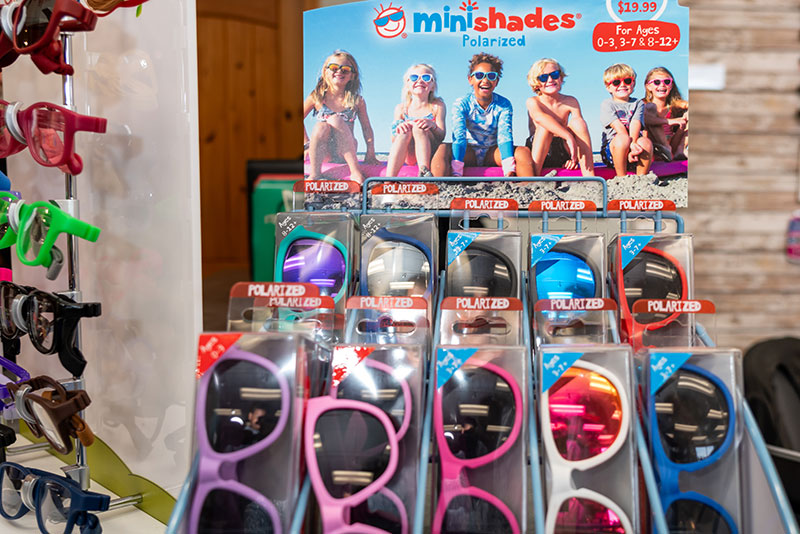
Explore frames together before your child’s visit
Browse our online frame gallery with your child before their appointment, so they can come in already excited about a few favorites.
Experienced pediatric eye care for local families
At Advanced Eyecare, children of all ages are cared for with patience, encouragement, and attention to detail. Parents receive clear explanations, thoughtful recommendations, and guidance tailored to their child’s specific needs.
Schedule your child’s eye exam today to support healthy eyes, clear vision, and confident learning.
References: